

Grace Lines
Grace Lines
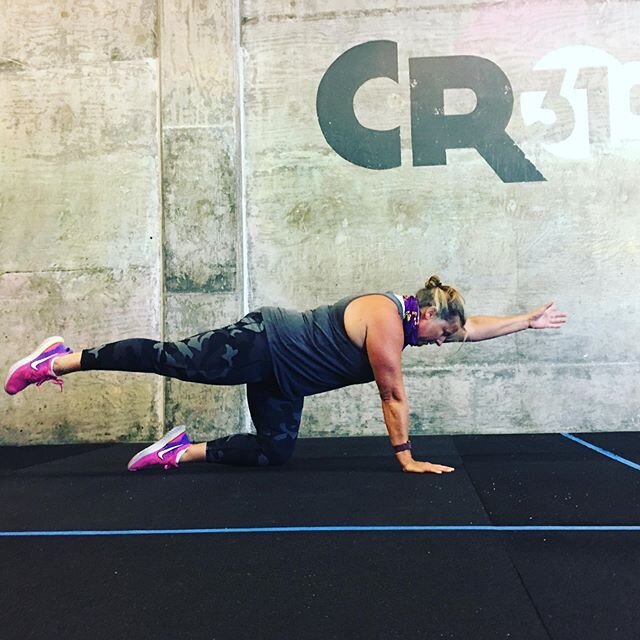
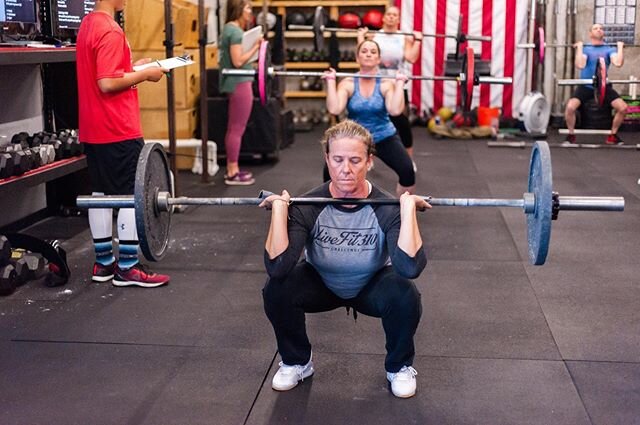
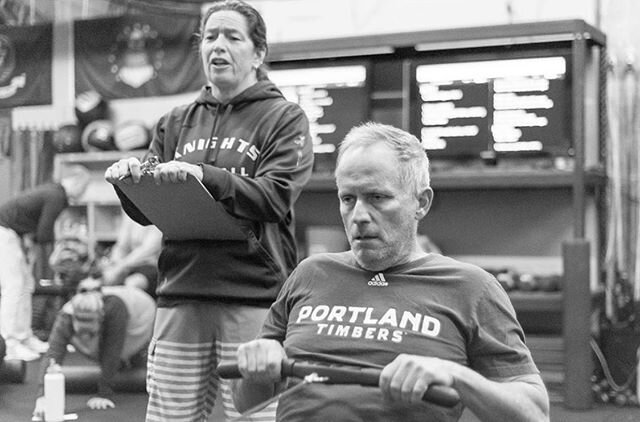
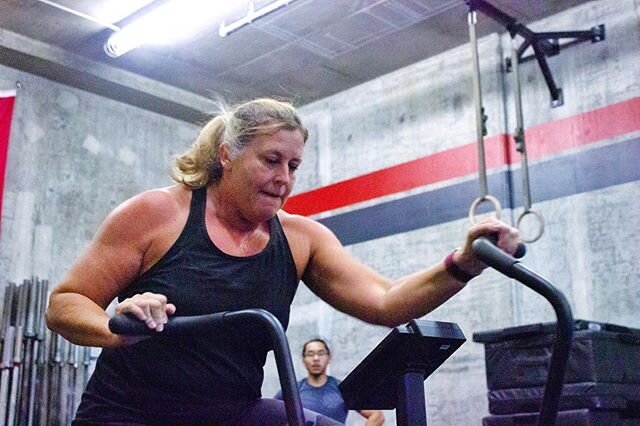
Grace Lines is a good friend of mine who is experiencing something that I want more people to see. She’s having fun.
Grace is an Ace Certified trainer, a Triathlete, and an accomplished Nurse. She’s relatively new to CrossFit, but her excitement is infectious and her pursuit is admirable. After watching her wrestle with CrossFit and Nutrition (and me) for a few months, to now witnessing a noticeable transition towards a more informed, confident and disciplined athlete, the very best part about this girl is simple. She’s having fun.
If you don’t already know her, meet Grace.
Introductions
by Grace Lines
Eat meat and vegetables, nuts and seeds, some fruit, little starch and no sugar. Keep intake to levels that will support exercise but not body fat. Practice and train major lifts: Deadlift, clean, squat, presses, C&J, and snatch. Similarly, master the basics of gymnastics: pull-ups, dips, rope climb, push-ups, sit-ups, presses to handstand, pirouettes, flips, splits, and holds. Bike, run, swim, row, etc, hard and fast. Five or six days per week mix these elements in as many combinations and patterns as creativity will allow. Routine is the enemy. Keep workouts short and intense. Regularly learn and play new sports.
~Greg Glassman ( World-Class Fitness in 100 words or less)
CrossFit Founder Greg Glassman uses the first sentence of his now famous paragraph above, to lay a concise foundation of World Class Fitness, and to sum up CrossFit’s general philosophy on Nutrition.
“Eat meat and vegetables, nuts and seeds, some fruit, little starch and no sugar. Keep intake to levels that will support exercise but not body fat.”
When I entered the CrossFit310 refinery about 8 months ago, I had no idea what I was getting myself into, but I knew that it was something special. I knew that this unique training environment was worth me sticking around to see what I could become. Every class was new, tortuous, and exciting all at the same time. I have always been passionate about nutrition, and now that I’m borderline obsessed with all things CrossFit, I’ve been doing a lot of research. Most simply, the food you eat should have a certain quality (“meat, veggies, nuts, seeds, fruit, little starch”) and quantity (“levels that support exercise but not body fat”). Now, the quality of food that we eat is another story for a larger discussion in the future. But in terms of quantity, the balance of your daily intake of calories should be about 30% protein, 30% fat, and 40% carbohydrate. This is compared to the USDA’s (and probably closer to most American diets) 20% protein, 20% fat, and 60% carbohydrate. This difference might explain why most Americans are storing more fat than they should these days.


Over the last several months, I’ve been putting the CrossFit “dietary prescription” to the test. I have definitely had ups and downs, but I can honestly say today that my body is changing shape for the first time in my adult life. I know that proper nutrition is essential, but not because I merely understand the principles, but because I tried it and saw that it worked.
Like the World Class Fitness paragraph infers, ultimately the foundation of your Fitness is at the mercy of the fuel you provide it with. If you’re poised and ready to tackle the nutrition aspect of your Fitness routine, or even if you’re just curious about what fellow CrossFitters are doing, start here:
http://www.crossfit.com/cf-info/start-diet.html
And here:
http://journal.crossfit.com/2004/05/zone-meal-plans-crossfit-journ.tpl
Also, if you’re relatively new to CrossFit like me, or might be looking for some help or encouragement, feel free to contact me. Together, we can help each other along this journey towards elite fitness and health!
Warm Up
Strength/Skill: Pullup Work
WOD: “Station Agent”
Stations:
Ring Dips/Negatives/Ring Holds
Kettle Swing
Jumping Lunges/Walking Lunge
Push Press
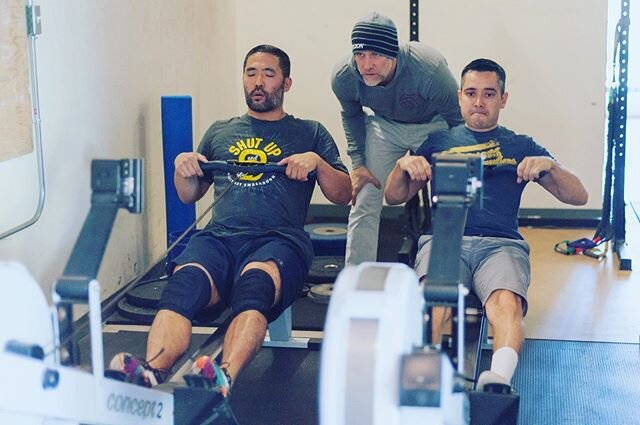
Row
Plank Hold
(1 min of work. 15 sec rest in between stations. Three full rounds of 6 stations. Rest one full minute in between rounds.)
This Workout was not scored, but post how each station was scaled or what kind of load you used.